
Introduction to EMDR
Healing That Honors Your Story

What is EMDR
EMDR stands for Eye Movement Desensitization and Reprocessing. It is a therapy approach that helps the brain process painful, traumatic or distressing experiences that may still feel emotionally “stuck.”
Sometimes, even when something happened years ago, the body and mind can still react as if it is happening now. EMDR helps your brain revisit those experiences in a safe and structured way so they can feel less intense, less triggering and less present in your daily life.
The Goal of EMDR
EMDR helps the brain take old experiences and update them with present-day information. Instead of being pulled back into the same emotional response, your mind and body can begin to recognize that the experience is in the past and that you are here now.
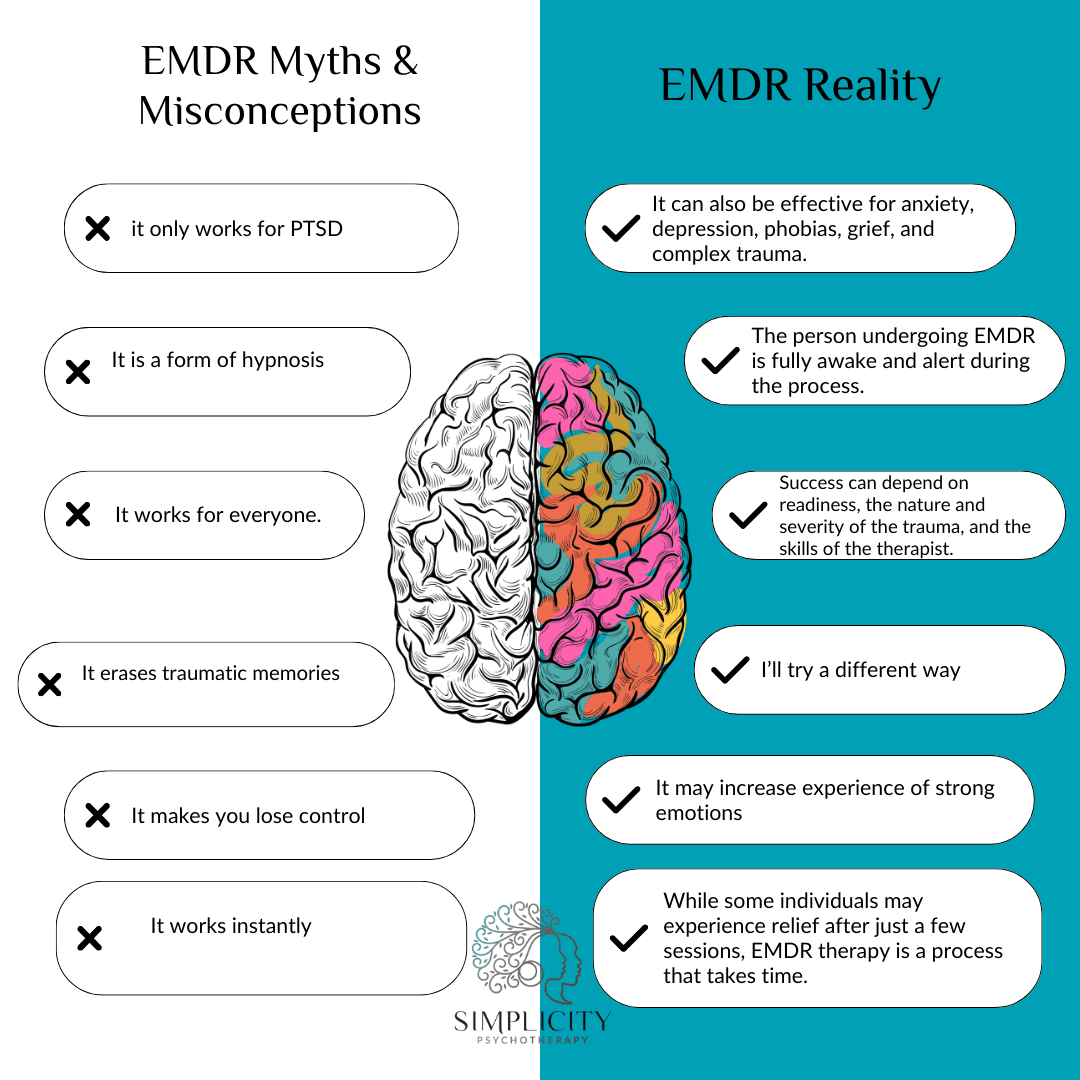
The goal is not to forget what happened. The goal is to help you feel less controlled by it.

Why EMDR?
EMDR can be helpful when painful experiences still feel emotionally present, even when you know they happened in the past.
For some people, trauma shows up as intrusive thoughts, anxiety, nightmares, shame, emotional numbness or feeling constantly on edge. For others, it may look like repeating the same reactions or relationship patterns, even after understanding where they came from.
EMDR gives the brain a structured way to reprocess distressing memories so they feel less intense and less disruptive in daily life.

EMDR can help when insight alone has not brought relief.
You may understand what happened and still feel anxious, guarded, ashamed or overwhelmed when something reminds you of it.
EMDR supports the brain’s natural ability to process painful experiences so they feel less intense and less present in daily life.
It can be especially helpful for trauma-related symptoms such as intrusive thoughts, nightmares, anxiety, emotional numbness or feeling constantly on edge.
The goal is not to erase the memory. The goal is to help your mind and body respond differently, so the past does not keep taking over the present.
See below for common EMDR myths and misconceptions

Frequently Asked Questions about EMDR
What Happens During EMDR?
During EMDR, your therapist will guide you through a structured process. You may be asked questions to help identify:
- The distressing memory or experience
- The negative belief connected to it
- The emotions and body sensations that come up
- The healthier belief or resolution you would like to move toward
Your therapist will then use bilateral stimulation, which may include eye movements, tapping or sounds that alternate from one side of the body to the other. While this is happening, you will be encouraged to notice what comes up without trying to force it, explain it perfectly or make logical sense of it.
Your brain does a lot of the work naturally.
How EMDR Is Different From Traditional Talk Therapy
While traditional therapy often focuses on discussing your thoughts, feelings and experiences, EMDR focuses on how distressing memories are stored and processed in the brain. The goal is not to erase the memory. The goal is to help reduce the emotional charge connected to it.
In other words, you may still remember what happened, but it may no longer feel as overwhelming, painful or disruptive.
Do I Have to Share Every Detail?
No. One of the helpful things about EMDR is that you do not have to talk through every detail of what happened in order for the memory to be processed.
Some clients find this especially important when the experience feels too painful, too complicated or too exhausting to fully explain. EMDR allows the brain and body to work with the memory without requiring you to retell the entire story from beginning to end.
How Long Doe EMDR Take?
As always, Simplicity Psychotherapy will tailor the length of your treatment to the complexity of your concerns and the amount of flexibility present as the memory reprocesses. Multiple sets of reprocessing will continue until the past experience has been updated to a perspective that serves you in present day.
Frequently, EMDR is used in conjunction with other treatment approaches as you move towards your goals.
Here's how EMDR typically works:
- Assessment: Your therapist will begin by evaluating your history and identifying specific traumatic memories or distressing experiences that require attention.
- Desensitization: During EMDR sessions, you will focus on a distressing memory while simultaneously engaging in bilateral stimulation. This stimulation can involve tracking the therapist’s hand movements with your eyes, listening to alternating tones, or experiencing tapping sensations. This process is believed to enhance the brain’s ability to process traumatic memories.
- Reprocessing: As you continue to work through the memory, our goal is to modify the way it is stored in your brain. This often involves replacing negative beliefs or emotions associated with the memory with more adaptive ones.
- Integration: Over time, EMDR aims to help you incorporate the reprocessed memory into your overall life experience, reducing the emotional intensity and distress linked to it.